



Brine and Metal Wastes Valorisation to Produce Coagulants for Wastewater Treatment
LIFE Waste2Coag aims to demonstrate an innovative and cost-efficient technology based on the electrolysis of wastes to produce coagulants for the removal of pollutants in urban and industrial wastewaters, including emerging pollutants and pathogens.
LIFE Waste2Coag boosts the circular economy in water treatment plants and creates synergies with other sectors, as industrial scrap metallic wastes and brines generated in different industries are valorised, including wastewater treatment plants (WWTP) and desalination plants (DP).
Expected Results
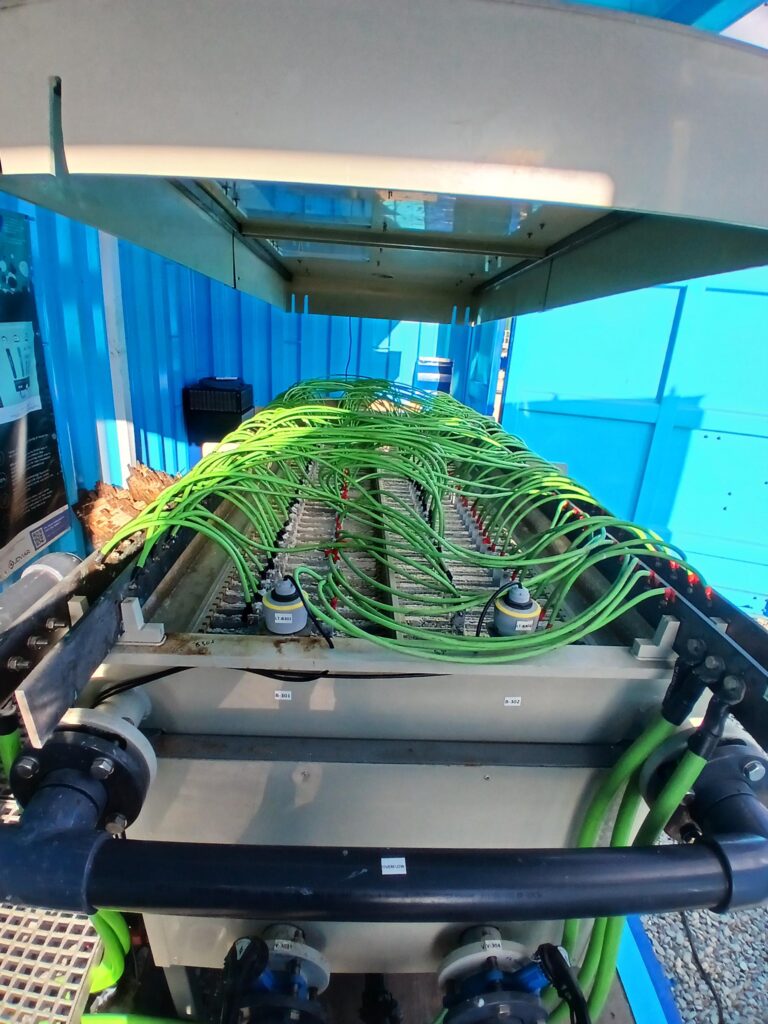
Design, build and operate an electrolytic pilot plant, using wastes as secondary raw materials to produce coagulants with an estimated maximum capacity of around 60m³ /day
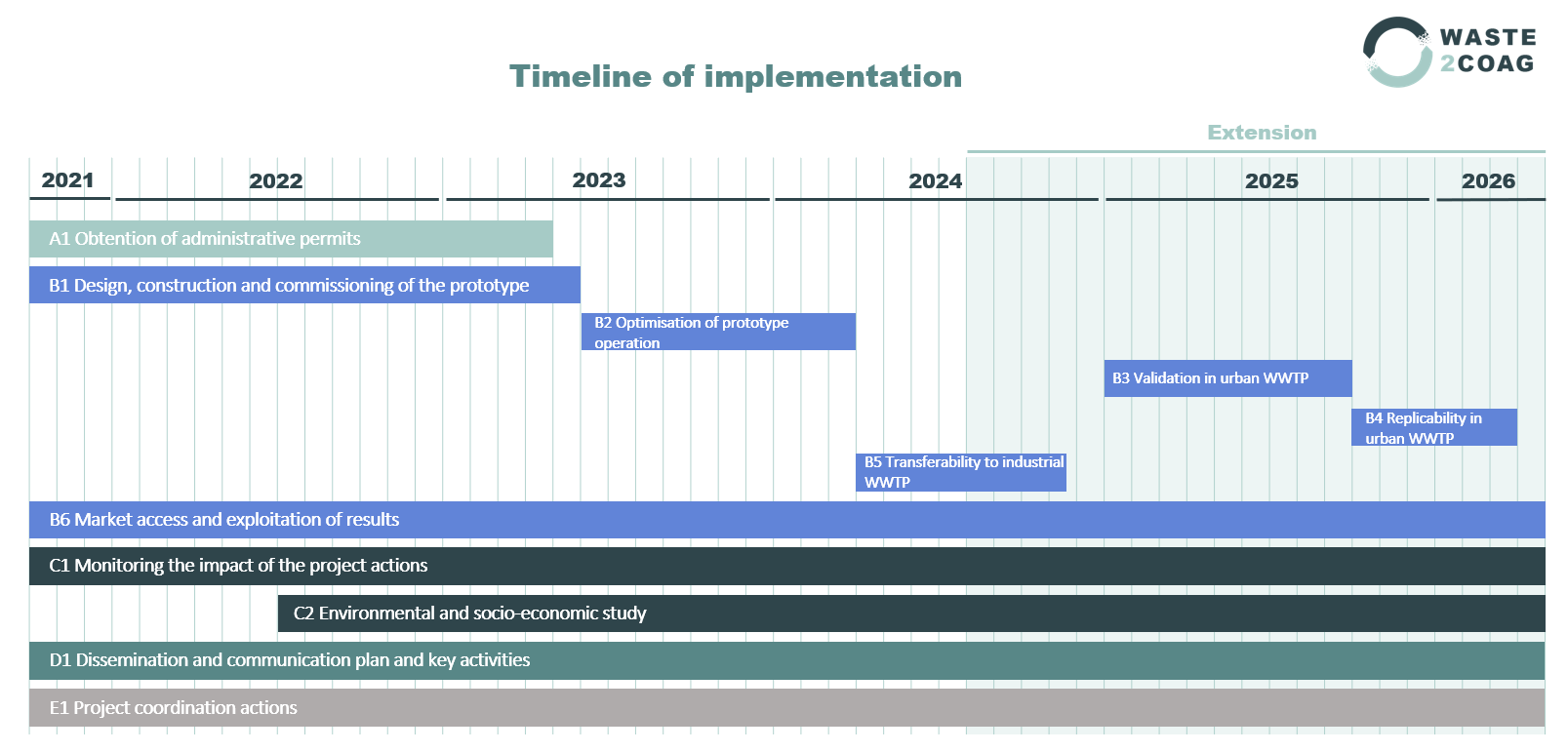
Valorisation of 75m³/week in Gandia WWTP (100% of received brines), 400 m³/week in Wulpen WWTP, 1.5m³ /week in JOVIAR industrial plant (100% of generated brines in their process). A total of 5000m³ during project duration
Adjustable metal concentration in the produced coagulants of 400-2,000 mgFe/L and 250-700 mgAl/L
Partners
Latest News
-
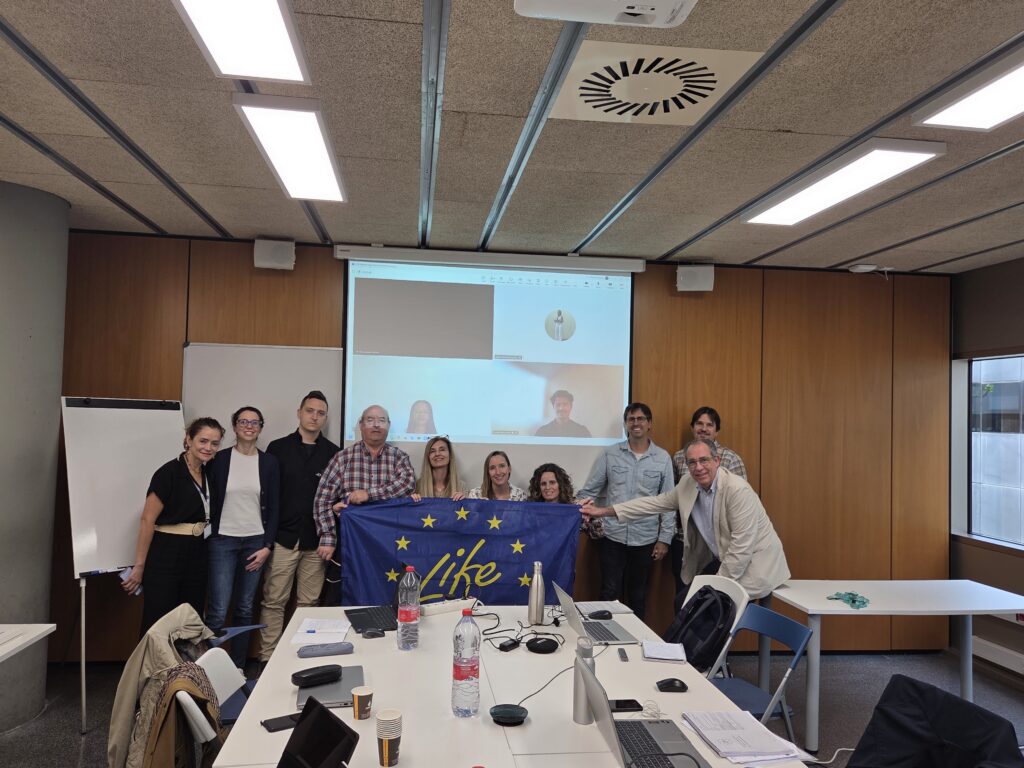
LIFE Waste2Coag Final Meeting in Valencia (Spain)
On 29 April 2026, LIFE Waste2Coag project partners gathered for the Final Meeting of the project, hosted by Global Omnium (GOMSL) in Valencia (Spain). See more here!
-
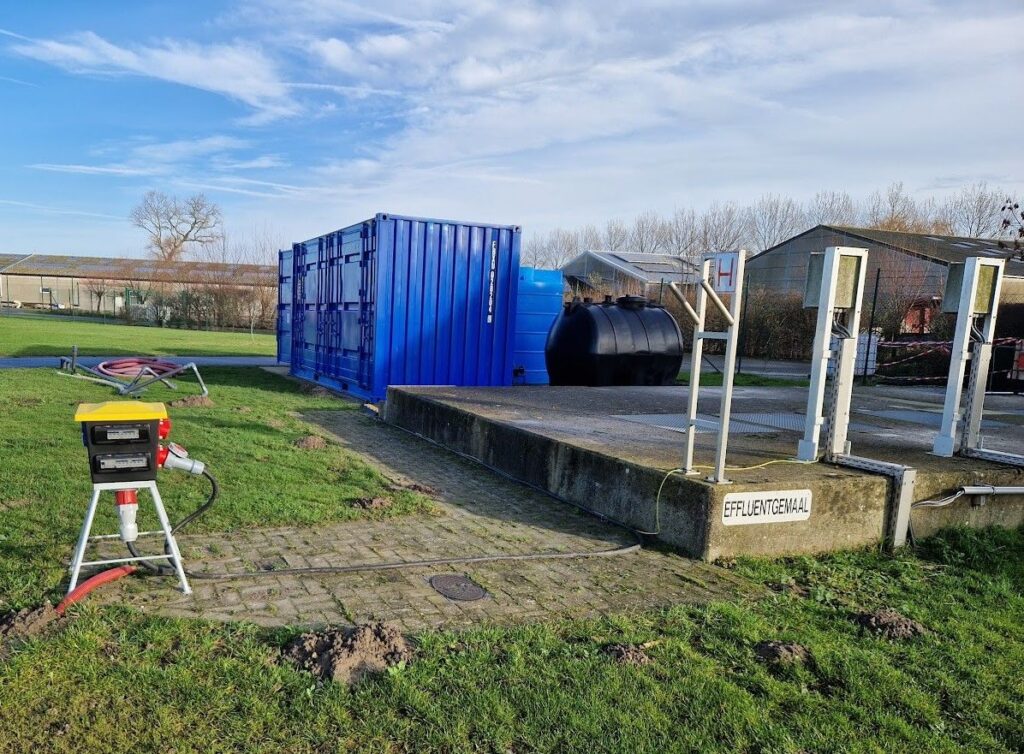
Production of coagulants with the ELS technology in Wulpen urban WWTP (Belgium)
The LIFE Waste2Coag project concluded the demonstration of the ELS technology with the case study in Belgium where brines from the drinking water facility of Aquaduin were treated to produce Al-based coagulants.
-
LIFE Waste2Coag first demonstration case study in a municipal setting concluded in Gandia (Spain)
After the successful operation of the ELS technology at Creaciones Joviar’s industrial wastewater treatment site in Ibi (Spain), the ELS prototype was moved to Gandia.